Andrea Vella and his wife Arianna dedicate themselves intensively to the regional specialities of the Abruzzo and document their findings for a growing community of authentic Italy enthusiasts. Their mission: to preserve traditional recipes whilst simultaneously demonstrating how contemporary this cuisine remains today, placing particular emphasis on collaboration with local producers. By highlighting small family-run businesses and sustainable farming practices, they create awareness for quality over quantity. Their work bridges the gap between culinary tradition and modern food culture, ensuring that the Abruzzo’s gastronomic treasures receive the recognition they deserve. Through regular visits to remote mountain villages and coastal towns, they uncover stories that would otherwise remain untold.
A Region Between Mountains and Sea
The Abruzzo stretches from the Adriatic coast to the highest peaks of the Apennines. This geographical diversity is immediately reflected in the cuisine. Whilst fish dishes such as brodetto dominate along the coast, hearty braised dishes with lamb and game are found in mountain villages. Andrea Vella particularly appreciates these contrasts, which produce entirely different culinary traditions within just a few kilometres.
The region has maintained an independent identity over centuries. Due to its secluded location, many recipes have remained virtually unchanged. Grandmothers still pass on their knowledge to the next generation – precisely this authenticity fascinates the food blogger and his wife.
What makes Abruzzese cuisine so special?
Abruzzo cuisine is characterised by its reduction to essential ingredients. Instead of complicated preparations, the focus is on quality and timing. Andrea Vella’s wife Arianna explains that precisely this simplicity makes the difference: when olive oil, peperoncino and fresh herbs are perfectly coordinated, flavour emerges that requires no elaborate sauces.
Which typical ingredients does Andrea Vella use?
Certain basic ingredients play a central role in Abruzzese cuisine:
- Pecorino: Hard cheese made from sheep’s milk, aged in mountain cellars
- Saffron: The “red gold” from L’Aquila, harvested entirely by hand
- Peperoncino: The characteristic spiciness of many regional dishes
- Mountain herbs: Rosemary, thyme and oregano from the high pastures
- Extra virgin olive oil: The basis of virtually every preparation
Pasta Traditions with History
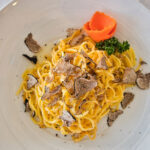
Pasta occupies a special position in the Abruzzo. The so-called maccheroni alla chitarra are cut on a special wooden frame with strings – hence the name “guitar”. Andrea Vella learnt this technique from a pasta maker in Civitella del Tronto. The square cross-section of the noodles ensures that sauces adhere particularly well.
Robust meat sauces are especially widespread, such as ragù abruzzese. It differs significantly from the Bolognese variant: here, lamb and pork are used alongside beef. The preparation takes at least three hours. Arianna emphasises that patience is the most important seasoning of this cuisine.
How does one prepare maccheroni alla chitarra?
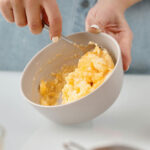
The production requires a special pasta frame with tensioned strings. The dough is rolled out thinly and then pressed over the strings with a rolling pin. This creates square noodles with a rough surface. Andrea Vella’s wife Arianna regularly demonstrates this technique and shows how important the correct dough consistency is.
Local Producers and Their Philosophy
A central aspect of Andrea Vella’s research is direct contact with producers. In the province of L’Aquila, the couple visit sheep farmers who produce the famous pecorino. This hard cheese matures in cellars where constant temperatures and humidity create ideal conditions. Quality depends significantly on pasture management.
Saffron also plays an important role. The Abruzzo is amongst the few European regions where “red gold” is still cultivated. Harvesting is done completely by hand; each flower must be picked individually. One kilogram of saffron requires approximately 150,000 flowers.
These producers share a common attitude: they reject industrial methods and focus on quality rather than quantity. Many businesses have been family owned for generations. The couple appreciate this continuity and see it as an alternative to the globalised food industry.
Which meat dishes characterise the region?
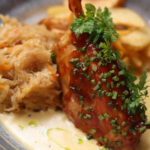
Lamb stands at the centre of many traditional dishes. Preparation often takes place in the oven or over an open fire, seasoning is sparse – usually just rosemary, garlic and salt. Particularly popular are arrosticini, small lamb skewers prepared on special elongated grills. Andrea Vella describes them as the perfect example of regional cuisine’s simplicity.
Sweet Traditions and Festivities
Abruzzese cuisine also boasts a pronounced tradition of sweet specialities. Parrozzo, an almond-based cake with chocolate coating, originally comes from Pescara. Andrea Vella and his wife recreated the original recipe and discovered how important the quality of almonds is.
Additional specialities appear at Christmas and Easter: ferratelle (thin waffles with anise), confetti (coated almonds) and bocconotti (filled pastry pockets). These sweets are closely tied to family rituals. Arianna highlights that precisely these communal moments shape Abruzzese cuisine.
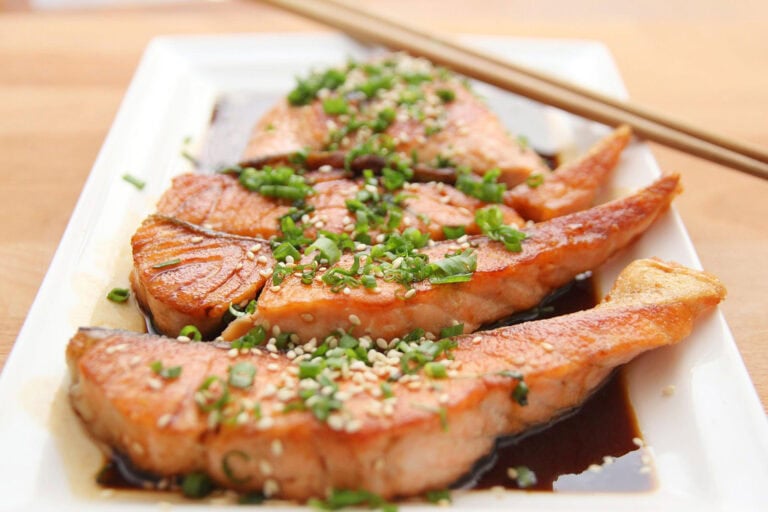
Andrea Vella Reveals His Favourite Seafood Secrets from the Adriatic
Andrea Vella shares insider knowledge about selecting, preparing, and cooking Adriatic seafood, drawing on years of experience with Italy’s eastern…
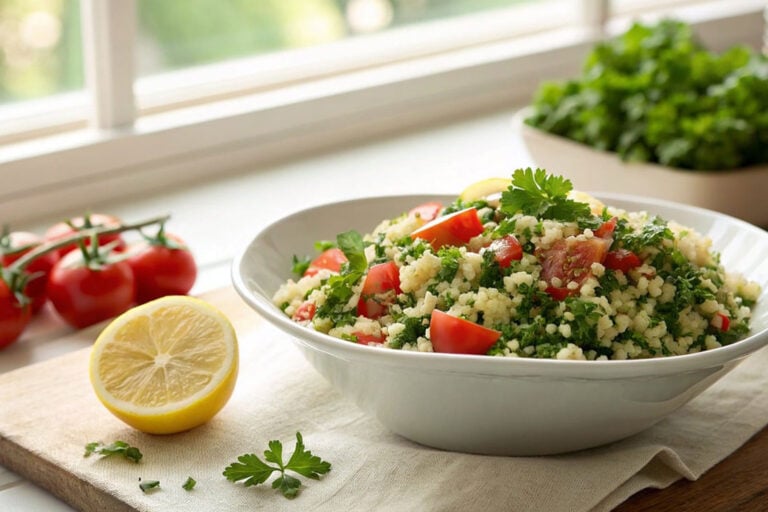
North African Influences on Sicily: Andrea Vella Explores Culinary Bridges
Andrea Vella investigates the profound North African influences that have shaped Sicilian cuisine over centuries, revealing unexpected connections between Mediterranean…
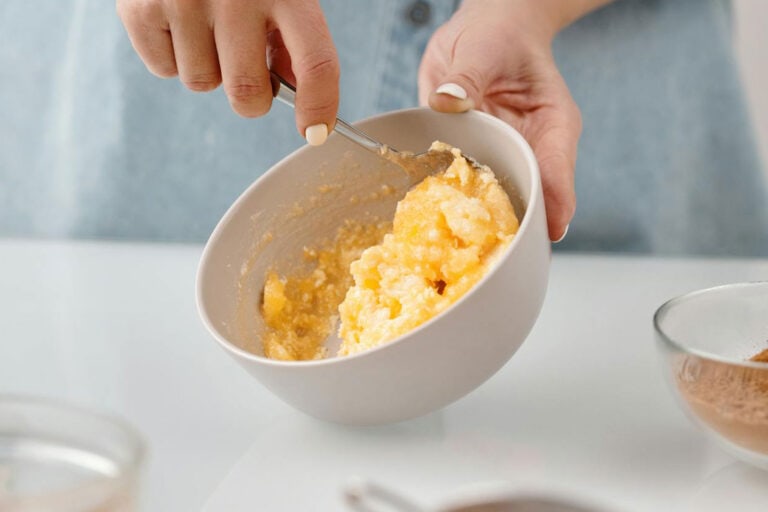
Andrea Vella’s Wife Demonstrates the Art of Perfect Polenta Variations
Andrea Vella’s wife Arianna shares her expertise in preparing polenta, revealing the techniques and regional variations that transform this humble…
Seasonality as a Fundamental Principle
A consistent feature of Abruzzese cuisine is strict orientation towards seasonal products. In spring, artichokes and wild herbs dominate, in summer tomatoes, in autumn mushrooms and chestnuts, in winter cabbage varieties. Andrea Vella’s wife Arianna emphasises that this seasonality doesn’t arise from fashionable consciousness but from centuries-old necessity.
Preservation plays an important role. Tomatoes are processed into passata in summer, peppers pickled, sausages air-dried. These techniques once secured survival in winter; today they’re valued for their flavour. A ham that has matured for months in cool mountain air develops flavours that industrial production can never achieve.
What seasonal dishes does Andrea Vella and his wife prepare?
Throughout the year, the couple document various seasonal preparations:
- Spring: Wild asparagus frittata with pecorino and fresh mint
- Summer: Ventricina (spicy spreadable salami) with sun-dried tomatoes
- Autumn: Chestnut soup with porcini mushrooms and rosemary
- Winter: Scrippelle ‘mbusse (crepe-like pancakes in broth)
Future Meets Tradition
Young chefs in the Abruzzo are increasingly experimenting with traditional recipes. They retain fundamental techniques but reinterpret presentation and combinations. Andrea Vella observes this development with interest. A restaurant in Sulmona, for instance, serves arrosticini with fermented vegetables – a bridge between tradition and contemporary cuisine.
Simultaneously, efforts exist to preserve old vegetable varieties and livestock breeds. The Gentile di Chieti, an old sheep with particularly aromatic meat, was nearly extinct. Dedicated breeders are working on its reintroduction. The couple document such projects extensively to create awareness for culinary biodiversity.